 EN
EN

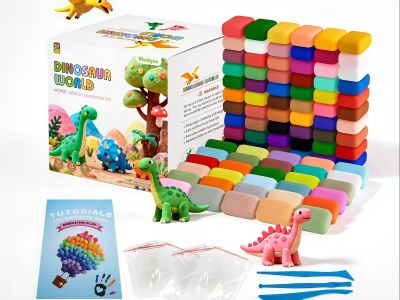
Modeling Clay for Sculptures A Complete Guide for Beginners and Artists
Modeling clay is one of the most enjoyable and versatile materials for creating sculptures. Whether you're making animals, figures, decorative pieces, or imaginative creations, modeling clay allows you to turn your ideas into three-dimensional art. Sculpting is more than simply shaping clay it's a creative process that lets you express your imagination, emotions, and artistic style. Slime Kit
At Vividyne, we believe that anyone can enjoy sculpting, regardless of experience. Whether you're a beginner exploring a new hobby or an experienced artist refining your techniques, choosing the right modeling clay and learning proper sculpting methods will help you achieve better results.
What Are the Best Types of Modeling Clay for Sculptures?
Different types of modeling clay offer unique advantages depending on your project and skill level.
Polymer Clay
Polymer clay is one of the most popular choices for sculptors. It is soft, easy to shape, and available in a wide variety of colors. Once your sculpture is complete, it hardens by baking in a conventional oven, creating a durable finished piece suitable for display or collection. Air Dry Clay Kit
Polymer clay is ideal for:
Miniatures
Figurines
Jewelry
Decorative sculptures
Detailed artwork
Air-Dry Clay
Air-dry clay hardens naturally without the need for baking or specialized equipment. This makes it an excellent option for beginners, classrooms, and home projects.
While convenient, air-dry clay is generally less durable than polymer clay and may require careful handling after it has dried.
Air-dry clay works well for:
Hobby projects
School crafts
Home décor
Practice sculptures
Traditional Pottery Clay
Traditional ceramic clay is commonly used for larger sculptures and functional pottery. After sculpting, it must be fired in a kiln to achieve full strength and durability.
This type of clay is best suited for:
Large sculptures
Pottery
Ceramic art
Professional studio work
Vividyne offers a variety of modeling clay options suitable for artists of every skill level. Experimenting with different clay types allows you to discover which material best fits your creative style.
How to Store Modeling Clay Properly
Proper storage helps keep modeling clay soft, workable, and ready for future projects.
For polymer clay, keep unused clay in its original packaging or wrap it tightly in plastic wrap. Store it in a cool, dry place away from direct sunlight and excessive heat.
For air-dry clay, place it inside an airtight container or sealed plastic bag immediately after use. Exposure to air causes the clay to harden quickly.
Traditional pottery clay should also be stored in airtight containers. If it begins to dry, lightly mist it with water before resealing the container.
Additional storage tips include:
Label containers by clay type.
Wrap leftover clay securely to prevent drying.
Keep different clay colors separated to avoid contamination.
Store clay away from dust and dirt.
Proper storage extends the life of your materials and ensures they're ready whenever inspiration strikes.
Common Modeling Clay Problems and How to Fix Them
Even experienced sculptors encounter challenges while working with clay. Fortunately, most common issues are easy to solve. Clay
Clay Is Too Dry
Dry or crumbly clay becomes difficult to shape and may crack during sculpting.
For air-dry or traditional clay, add a small amount of water and knead it thoroughly until it regains a smooth consistency.
Clay Is Too Sticky
Sticky clay can cling to your hands and tools, making sculpting frustrating.
Lightly dust your hands or sculpting tools with cornstarch or baby powder to reduce sticking while maintaining workability.
Sculptures Won't Hold Their Shape
Large or tall sculptures may collapse under their own weight.
Using an internal armature made from wire, wooden sticks, aluminum foil, or cardboard provides additional support and helps maintain the sculpture's structure during construction. Slime
Creative Fatigue
Sometimes the biggest challenge is simply running out of ideas.
Taking a short break allows you to return with fresh inspiration and a new perspective. Sculpting should remain an enjoyable creative experience rather than a stressful one.
Essential Tools for Modeling Clay Sculptures
Although your hands are your primary sculpting tools, specialized equipment makes it easier to create detailed, professional-looking artwork.
Useful sculpting tools include:
Sculpting knives for cutting and shaping
Needle tools for fine lines and intricate details
Ball stylus tools for smoothing and forming curves
Texture tools for adding realistic surfaces
Sponge brushes for blending and smoothing
Rolling pins for flattening clay evenly
Sculpting turntables for rotating your work while sculpting
Many household items also work surprisingly well. Toothpicks, old toothbrushes, forks, bottle caps, and aluminum foil can all create unique textures and effects without requiring expensive equipment.
At Vividyne, we encourage artists to experiment with both professional tools and everyday objects to discover new creative possibilities.
How to Create Realistic Textures with Modeling Clay
Adding realistic textures can transform a simple sculpture into a highly detailed work of art.
Before adding texture, consider the surface you're trying to replicate.
For animal fur, gently brush the clay with a stiff paintbrush or toothbrush, following the natural direction of the fur.
To create scales, use a pointed sculpting tool or the rounded end of a stylus to press repeating patterns into the clay.
Natural materials also create impressive textures. Pressing leaves, bark, fabric, lace, or textured stones into soft clay produces realistic surface patterns that are difficult to recreate by hand.
Sponges can create rough textures suitable for rocks, tree bark, or weathered surfaces.
Combining smooth and textured areas adds visual interest and realism. For example, an animal sculpture may feature smooth skin around the face while displaying textured fur across the body.
Experimenting with different texture techniques allows each sculpture to develop its own unique character. At Vividyne, we believe exploring texture is one of the most rewarding parts of the sculpting process, helping artists bring their creative ideas to life with greater realism and detail.
Table of Contents
- Modeling Clay for Sculptures A Complete Guide for Beginners and Artists
- What Are the Best Types of Modeling Clay for Sculptures?
- How to Store Modeling Clay Properly
- Common Modeling Clay Problems and How to Fix Them
- Essential Tools for Modeling Clay Sculptures
- How to Create Realistic Textures with Modeling Clay