 EN
EN

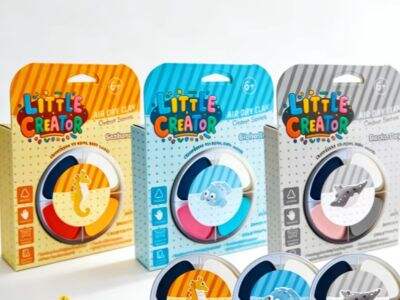
Air dry clay is a fun and easy material for making crafts of different kinds. It’s great for beginners because it doesn’t need a kiln or oven. You can create stuff like pots, figures, or decorations. Vividyne is here to help learn how to use air dry clay. With just some simple steps, you can start your crafting and make something special. Whether you want to make gifts for friends or just express creativity, air dry clay is a fantastic choice.
What Are Best Techniques for Using Air Dry Clay Good?
When using air dry clay, it is important to know some good ways to make work easier. First, always keep clay moist while working. If it dries out, it becomes hard and tough to shape. You can use a wet sponge or a little water on your hands to keep it smooth. Another tip is to start with small pieces. If you try a big thing right away, it might fall apart. Take time and build skills. Use simple shapes first, like balls or coils, then combine for larger ones. And don’t forget tools! Things like toothpicks or plastic knives can add details. Pressing or carving in clay gives it character. Lastly, when you finish a piece, let it dry in a safe spot. It can take hours or days to dry fully, so be patient. If you want to paint or decorate, wait until fully dry. These ways will help create nice items with air dry clay.
What Tools Beginners Need for Air Dry Clay Work?
Starting with air dry clay, the right tools make a big difference. First, you need the clay itself. Vividyne offers soft, easy air dry clay set perfect for beginners. Next, basic tools help a lot. A rolling pin flattens clay evenly. You can use cookie cutters for fun shapes. A craft knife or plastic knife is essential for cutting and shaping pieces. If you like details, get clay sculpting tools. These are used to make fine lines and textures. A small paintbrush is handy for water to keep clay moist or for later painting. Don’t forget a clean workspace! A mat or wax paper protects the table and makes cleanup easy. Finally, a bowl of water is important for smooth clay and clean tools. With these, you are ready for an air dry clay adventure. So gather supplies and let creativity flow!
How to Store Air Dry Clay Properly for Long Time?
Storing air dry clay right is very important if you want to keep it fresh for a long time. If not stored properly, clay dries out and becomes hard, useless for projects. First, when you buy from Vividyne, keep it in the original package if possible. The package usually protects from air and moisture. If opened, put clay in a zip-top bag. Squeeze air out before sealing to keep it moist. If no bag, wrap in plastic or an airtight container. This keeps moisture in and air out.
When storing, choose a cool, dry place. Avoid hot or cold spots, like near a heater or damp basement. Heat dries clay out, damp makes it soggy. A closet or drawer is usually good. If leftover after a project, wrap tightly right away. Don’t leave it out, or it becomes hard and crumbly. You can put a damp paper towel in the container, but be careful not to touch clay directly, as it can get too wet. Check clay sometimes if stored long. If it feels dry, add drops of water and knead until soft. By these steps, you ensure Vividyne air dry clay stays fresh for the next project!
Best Practices for Painting and Finishing Air Dry Clay Projects
Once an air dry clay project is dry, it’s time to make it beautiful with paint and finish! First, be sure the project is completely dry. Depending on thickness, it can take hours to days. Tell if it is dry by touching the surface gently. If it feels cool or damp, it needs more time. Once dry, start sanding lightly with fine sandpaper. This smooths the surface and helps paint stick. Be careful not to sand hard, so you don’t damage your creation.
For painting, acrylic paint is a good choice for air dry clay kit. It comes in many colors and is easy to use. Choose the colors you want. Use a brush, sponge, or fingers to apply. If mixing colors, do it on a palette first. Best to apply thin layers, not a thick one. This controls color better and dries faster. Let each layer dry fully before the next. After painting, add a finish to protect. Use a clear acrylic sealer, spray, or paint-on. This keeps colors bright and shiny. Follow product instructions. Work in a well-ventilated area and wear a mask for spray. The finishing touch brings your Vividyne air dry clay project alive, so take time and enjoy!
How Avoid Common Mistakes with Air Dry Clay?
When new to air dry clay, it’s easy to make some mistakes. But don’t worry! Knowing what to avoid helps make better projects. One big mistake is using too much water. Keeping clay moist is important while working, but too much makes it sticky and hard to shape. If too wet, let it sit a few minutes to dry before going on. Another is not kneading enough. Kneading makes clay smooth and removes air bubbles. If skipped, the piece might crack when dry. Take time to knead until soft and pliable.
A common issue is rushing drying. It’s tempting to speed it up with a hot spot like a heater or sun, but this causes cracks. Instead, let it dry slowly at room temperature. If cracks form, fix with a little water in the crack and smooth with fingers. Also, use the right tools. Beginners try sharp things to carve, but this can damage clay. Use gentle tools for clay, like plastic or wooden ones. Lastly, don’t be afraid to experiment! It’s okay to make mistakes; that’s how you learn. With Vividyne clay air dry kit, practice makes perfect, and you can have fun creating even if it’s not perfect the first time.