 EN
EN

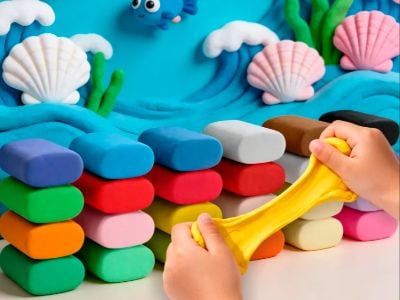
What Is the Ideal Drying Time for Modeling Clay
The drying time for modeling clay varies depending on the type of clay you use. Generally, air-dry clay takes 24 to 48 hours to dry completely. If you create a sculpture today, it may be ready for painting the next day or the day after. Polymer clay is different because it requires baking in an oven, usually at 275°F for 15 to 30 minutes, depending on its thickness. Once baked, it cools quickly and is ready to use. It is important to follow the instructions provided with your clay, as each type has its own drying requirements. If you live in a humid area, air-dry clay may take longer to dry because moisture slows the process. In a dry environment, however, it will dry more quickly
What Factors Affect the Drying Time of Different Types of Modeling Clay
Several factors affect how quickly modeling clay dries. One of the biggest factors is the thickness of the piece. Thick sculptures take longer to dry than thin ones. For example, a large clay figure will require more drying time than a small flower. The type of clay also matters. As mentioned earlier, air-dry clay and polymer clay have different drying methods. Air-dry clay relies on exposure to air, while polymer clay requires baking. Humidity is another important factor. On rainy or humid days, air-dry clay will dry more slowly because of the extra moisture in the air. Room temperature also plays a role. A warm location can help the clay dry faster, while a cool or damp area will slow the process. Paying attention to these factors can help you achieve better results
Why Isn’t My Modeling Clay Drying Properly
If your modeling clay is not drying properly, there could be several reasons. First, consider the type of clay you are using. Different clays have different drying times. Air-dry clay generally takes longer to dry than oven-bake clay. Thick pieces also require more time to dry completely than thinner ones. Humidity inside your home can also affect drying. High humidity makes it difficult for moisture to evaporate, causing the clay to remain soft for longer. Temperature is another factor. Clay dries more slowly in a cold room than in a warm one. In addition, covering the clay or placing it in a sealed container can trap moisture and prevent it from drying properly. Finally, the quality of the clay matters. Vividyne offers high-quality clay for clay modelling that dries reliably, but old or improperly stored clay may not perform as expected
What Are the Best Practices for Drying Modeling Clay Effectively
To dry modeling clay effectively, follow a few simple practices. Start by working with thinner layers whenever possible. If you are creating a large project, build it in smaller sections to allow for more even drying. Place the clay in a warm, dry location with good airflow. A sunny windowsill can help speed up drying, but avoid leaving the clay in direct sunlight for extended periods, as it may crack. Using a fan nearby can also improve air circulation and help moisture evaporate more quickly. For air-dry clay, avoid covering the piece, as this traps moisture. For oven-bake clay, always follow the recommended baking temperature and time listed on the package. Vividyne provides clear instructions to help you achieve the best results. Most importantly, be patient. Allowing the clay to dry completely will produce a stronger and better-looking finished project
What to Do If Your Modeling Clay Takes Too Long to Dry
If your modeling clay is taking too long to dry, there are several things you can try. First, check the thickness of your project. If it is very thick, consider separating it into smaller pieces or flattening certain sections to speed up drying. For air-dry clay, move the project to a warmer area with good ventilation, such as a room with better airflow. Avoid placing it too close to a heater, as excessive heat may cause cracking. If high humidity is slowing the process, using a dehumidifier can help remove excess moisture from the air. With Vividyne clay modelling, you can lightly score the surface using a modeling tool or your fingers to help moisture escape more easily. Be careful not to damage your project. If the clay still does not dry properly, it may be too old or have been stored incorrectly. In that case, starting with a fresh batch may be the best solution. Store unused clay in a cool, dry place in a tightly sealed container to keep it in good condition for future projects.